
Exploring Effective Play-Based OT Methods for Kids

Updated: Mar 12
When it comes to supporting children’s development, especially those who need a little extra help, I’ve found that play is truly the best medicine. It’s not just fun and games—it’s a powerful way to help kids grow, learn, and thrive. Over the years, I’ve seen how play-based occupational therapy (OT) methods can make a real difference. These approaches are gentle, engaging, and tailored to each child’s unique needs. Today, I want to share some insights and practical tips about these methods, especially for families in Calgary looking for supportive, effective therapy options.
Why Play Matters in Occupational Therapy
Play is the natural language of childhood. It’s how kids explore the world, express themselves, and develop essential skills. In occupational therapy, we harness this natural inclination to help children build abilities in a way that feels joyful and motivating.
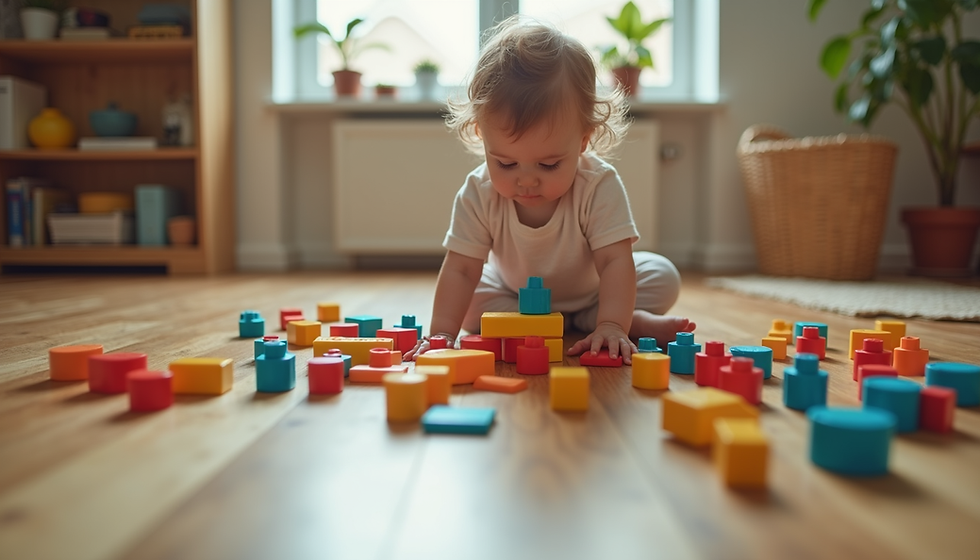
For example, a child who struggles with fine motor skills might work on puzzles or building blocks. These activities improve hand-eye coordination and dexterity without feeling like a chore. Another child might engage in pretend play to enhance social skills and emotional regulation. The beauty of play-based OT is that it meets children where they are, making therapy feel like a fun adventure rather than a task.
The Benefits of Play-Based OT
Engagement: Kids are more likely to participate actively when therapy feels like play.
Motivation: Play encourages children to try new things without fear of failure.
Skill Development: Through play, children develop motor, cognitive, sensory, and social skills.
Emotional Growth: Play helps children express feelings and build confidence.

Key Play-Based OT Methods That Work Wonders
There are many ways to incorporate play into occupational therapy, but some methods stand out for their effectiveness and adaptability. Here are a few that I’ve seen work beautifully:
Sensory Play
Sensory play involves activities that stimulate a child’s senses—touch, sight, sound, smell, and movement. This can include playing with textured materials like sand, water, or clay. Sensory play helps children with sensory processing challenges by providing controlled sensory input that can calm or alert their nervous system.
Try this at home: Create a sensory bin filled with rice, beans, or water beads. Hide small toys inside and encourage your child to find them using their hands. This simple activity promotes tactile exploration and fine motor skills.
Gross Motor Play
Gross motor skills involve large muscle movements like running, jumping, and climbing. Play-based OT often includes obstacle courses, ball games, or dancing to improve balance, coordination, and strength.
Try this at home: Set up a mini obstacle course using pillows, chairs, and tunnels. Encourage your child to crawl, jump, and balance through the course. It’s a fun way to build physical skills and confidence.
Fine Motor Play
Fine motor skills are all about small movements, especially those involving the hands and fingers. Activities like drawing, cutting with scissors, or stringing beads help develop these skills.
Try this at home: Provide your child with colorful beads and a string to make necklaces. This activity enhances hand-eye coordination and concentration.
Social Play
Social play focuses on interaction with others, which is crucial for communication and emotional development. Role-playing, board games, and group activities encourage sharing, turn-taking, and empathy.
Try this at home: Play simple board games that require taking turns and following rules. Praise your child for good sportsmanship and cooperation.
How Play-Based OT Supports Sensory Integration
Sensory integration is a key part of many children’s development, especially those who experience sensory processing difficulties. Play-based OT methods are excellent for supporting sensory integration because they provide natural, enjoyable ways to explore and regulate sensory input.
For instance, swinging on a playground swing or jumping on a trampoline can help a child organize their vestibular (balance) system. Playing with textured balls or finger paints can stimulate tactile senses. These activities are not only fun but also therapeutic, helping children feel more comfortable and confident in their bodies.

Practical Tips for Families: Making Play-Based OT Work at Home
Supporting your child’s development through play doesn’t have to be complicated or expensive. Here are some simple, practical ideas you can try at home to complement therapy sessions:
Create a Play-Friendly Space: Dedicate a small area with toys and materials that encourage exploration and creativity.
Follow Your Child’s Interests: Use their favorite themes or characters to make activities more engaging.
Keep Sessions Short and Sweet: Children learn best in short bursts of focused play rather than long, tiring sessions.
Be Patient and Positive: Celebrate small successes and keep the atmosphere light and encouraging.
Incorporate Routine: Try to include play-based activities regularly, making them part of your daily routine.
Remember, the goal is to make learning feel like a natural part of playtime, not a separate task.
Bright Little Minds: Empowering Calgary’s Children Through Play
At Bright Little Minds, we are passionate about using play-based OT methods to help children reach their full potential. Our approach is warm, personalized, and rooted in the latest research. We believe every child deserves access to specialized sensory integration services that support their unique developmental journey.
If you’re looking for a therapy provider in Calgary who truly understands the power of play, we’re here to help. Together, we can create a joyful path to growth and confidence for your child.
If you want to learn more about how play based ot methods can support your child, feel free to reach out. We’re excited to be part of your family’s journey!
Conclusion: The Power of Play in Development
In conclusion, play is not just a pastime for children; it is an essential part of their development. By embracing play-based occupational therapy, we can create meaningful experiences that foster growth and learning. Every child is unique, and with the right support, they can flourish in their own way.
I hope this gives you a clear, friendly guide to the wonderful world of play-based occupational therapy. Remember, every small step counts, and with the right support, children can blossom in amazing ways. Let’s keep the play going!


Comments